 Subscription snacks · 2025
Universal Yums ships up to 20,000 snack boxes a day at peak, with its inventory in Fulfil.
Universal Yums sends a monthly box of snacks from around the world. When it began to sell snacks one by one as well, it had to track inventory for the first time, and pen, paper and spreadsheets could not keep up. On Fulfil, 100,000 renewal orders come in on the first of each month, one person prints the labels, and the team builds its own tools on Fulfil's API.
The story in short
- Sells
- Monthly subscription boxes of snacks from around the world, and the snacks one by one
- Channels
- Subscriptions, its Yum Shop, Amazon and retailers
- Before Fulfil
- Pen and paper, spreadsheets and ShipStation
- Who speaks
- Eli Zauner, CEO and Co-founder. Sara Lopez, Operations. Joe Thompson, Vice President of Procurement
01
Universal Yums grew 200 to 300% a year by getting every box out on time.
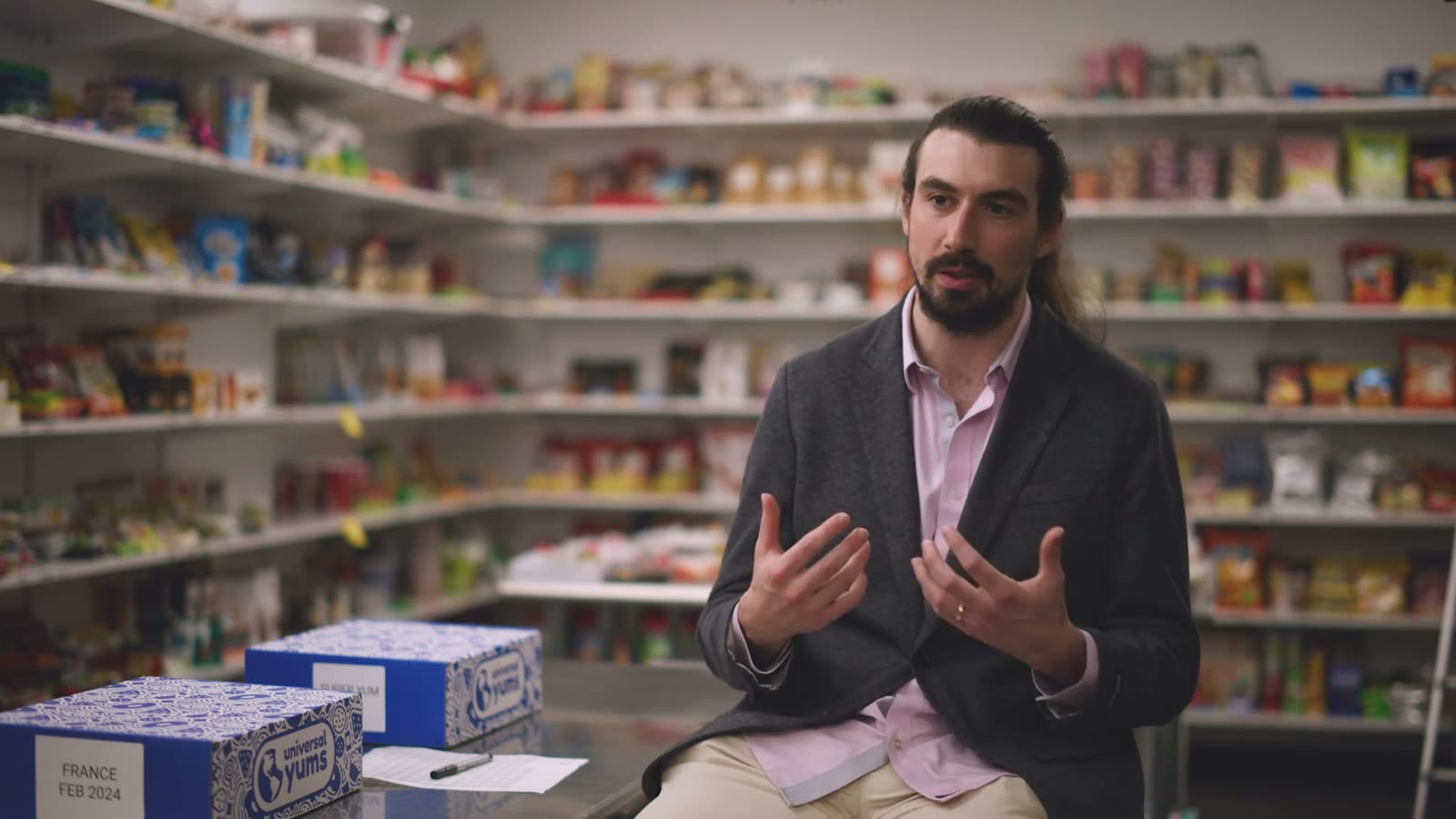
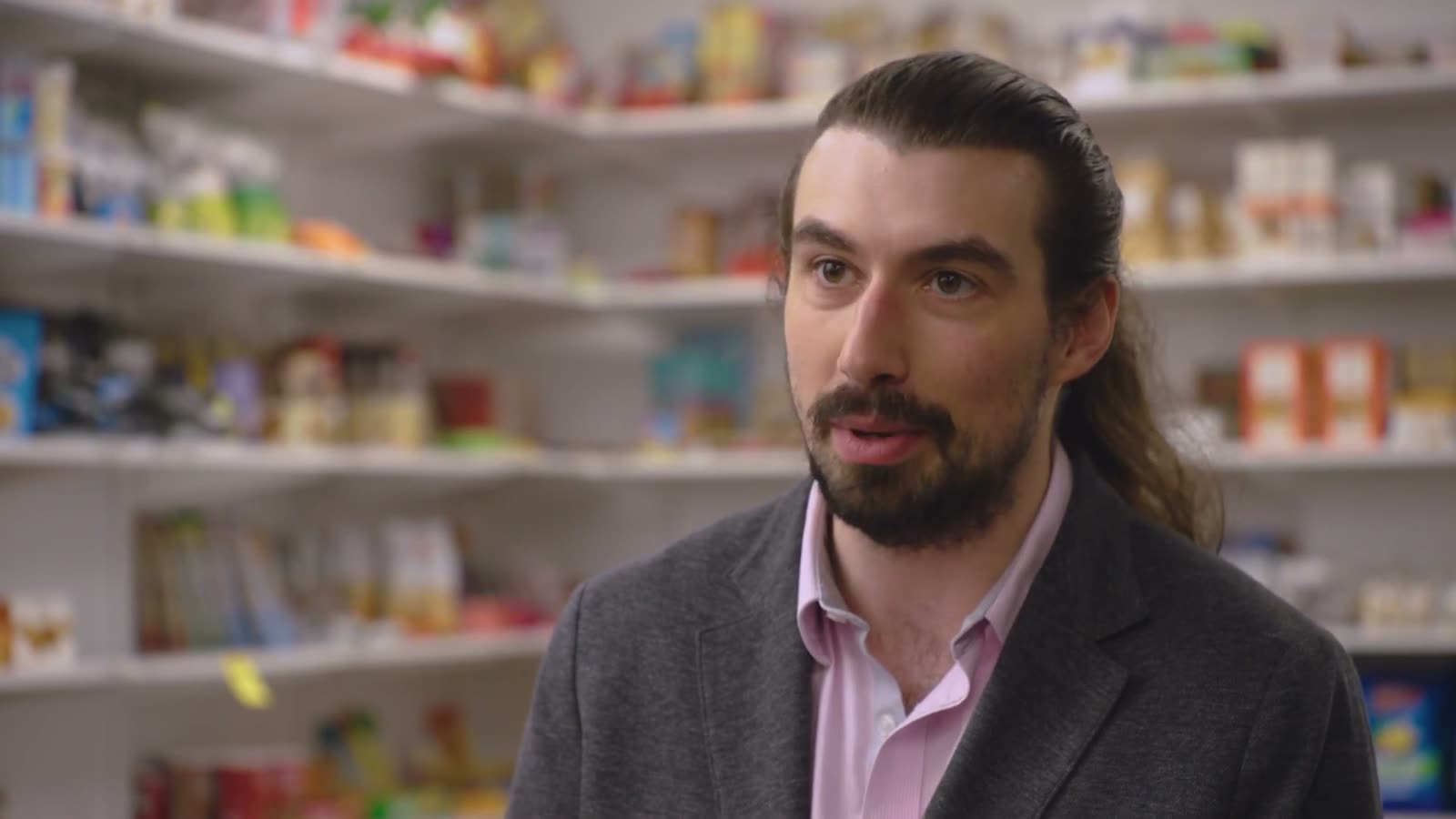
Universal Yums sends a monthly box of snacks from around the world. It started in 2014, and for the next seven years it grew between 200 and 300% a year, by the account of Eli Zauner, its CEO and co-founder.
 Eli ZaunerCEO and Co-founder, Universal Yums
“We ship the boxes every month. We were not late, especially in 2020 and 2021. I rode a forklift around in 2020 to get boxes out the door and our competitors did not.”
For Eli Zauner, a box that arrives on time is how a subscriber judges the snacks inside it.
02
Selling snacks one by one meant Universal Yums had to track inventory for the first time.
Universal Yums used to buy a month's snacks, pack them into that month's box and donate what was left. When it started selling products individually, the snacks on the shelf became inventory to count.
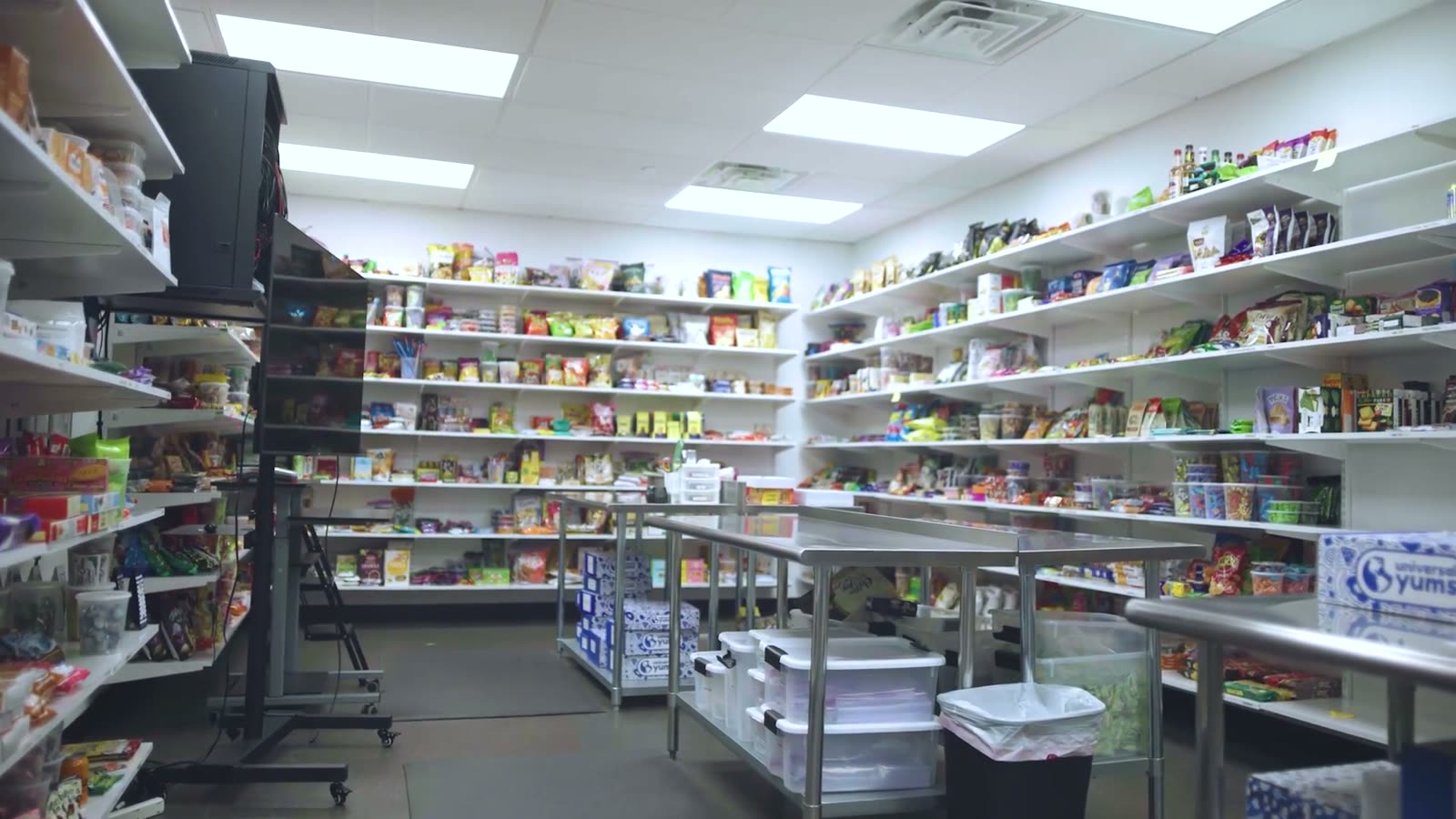
Universal Yums counted its inventory on paper and in spreadsheets.
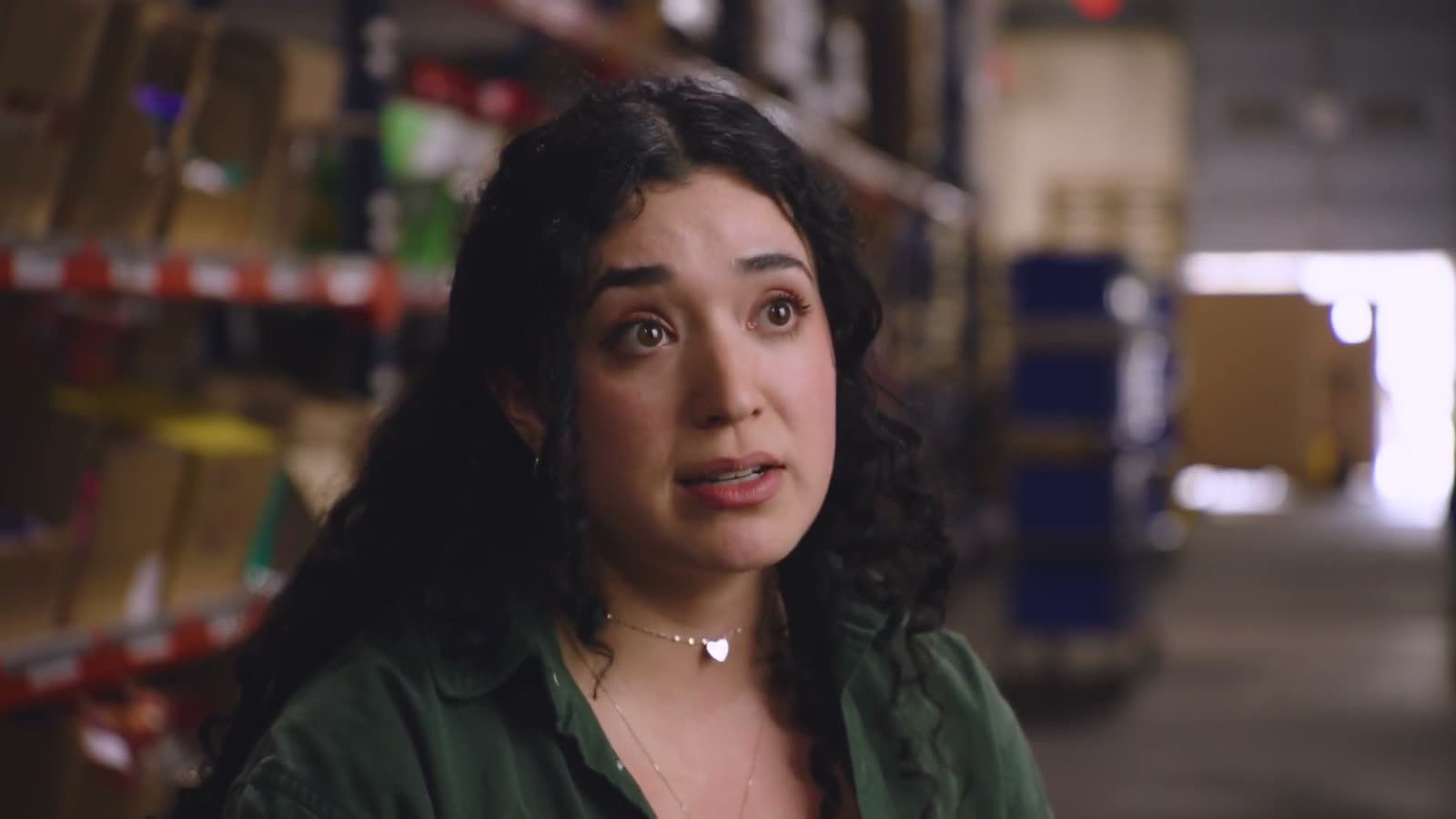 Sara LopezOperations, Universal Yums
“The business started booming and it became very unsustainable tracking inventory on pen and paper, cycle counts on a spreadsheet.”
03
Universal Yums chose Fulfil as an ERP made for a brand that sells direct.
Universal Yums looks for the best tool for each job. For an ERP, it looked for one made for a direct-to-consumer business.
Eli ZaunerCEO and Co-founder, Universal Yums“Fulfil really stuck out from the pack in terms of being designed specifically for a business like ours.”
Joe Thompson, Vice President of Procurement, had worked with Microsoft Dynamics and NetSuite before joining Universal Yums.
 Joe ThompsonVice President of Procurement, Universal Yums
“Something I appreciated in coming onto the team, starting to use Fulfil, is that it was very fluid. I was able to pick it up.”
Universal Yums had never had an ERP. Much of the implementation was deciding how the company would run.
04
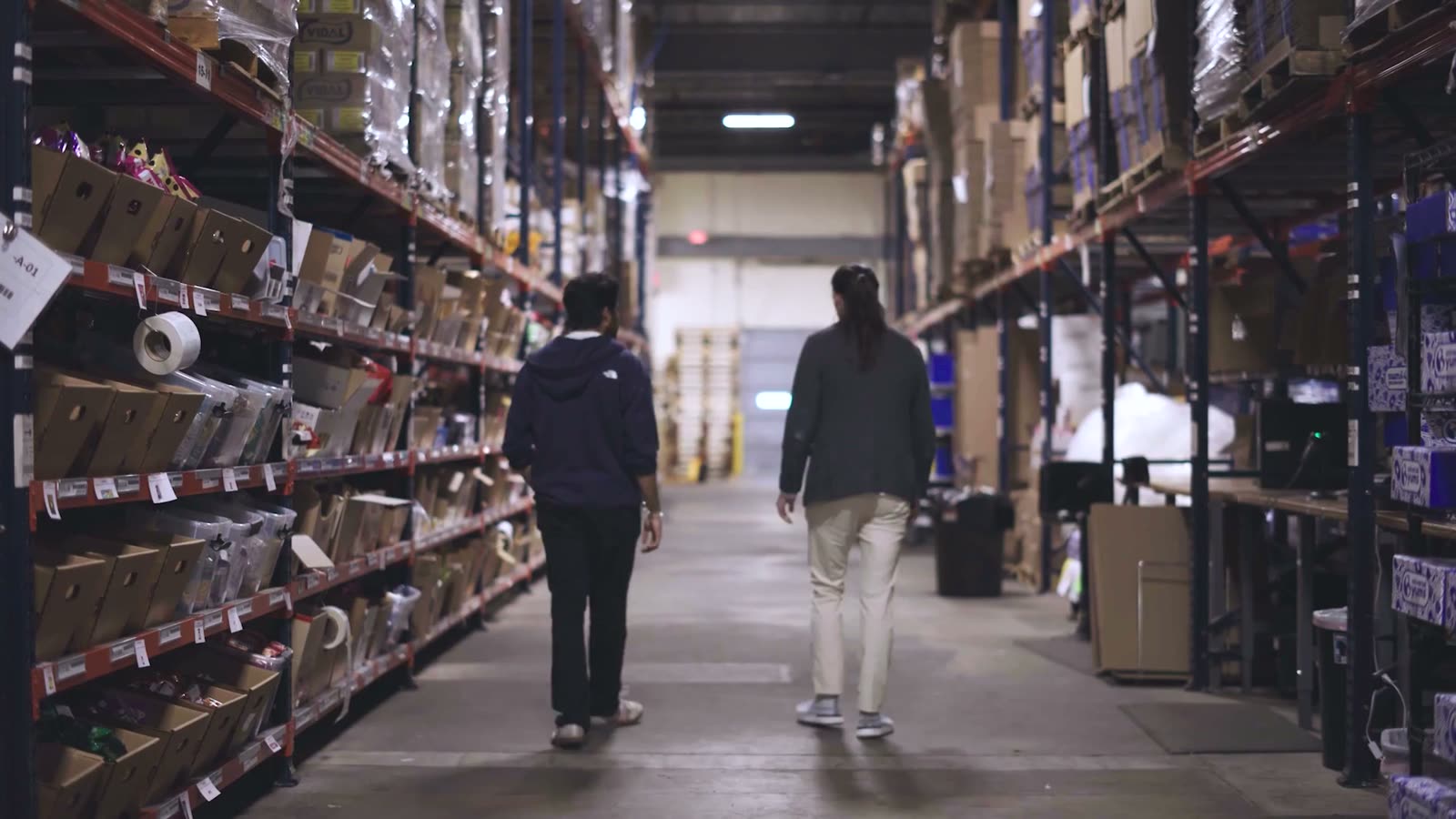
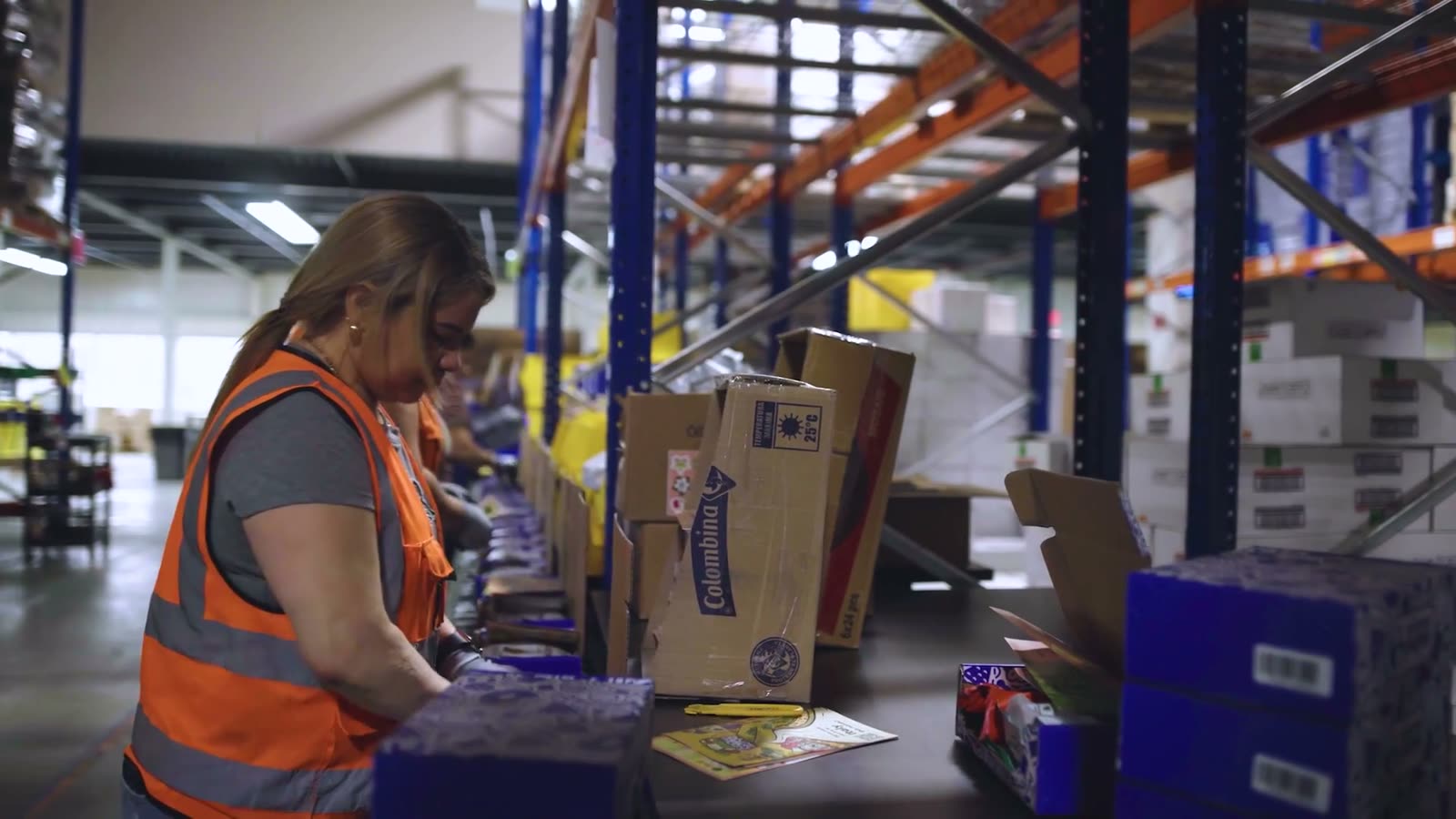
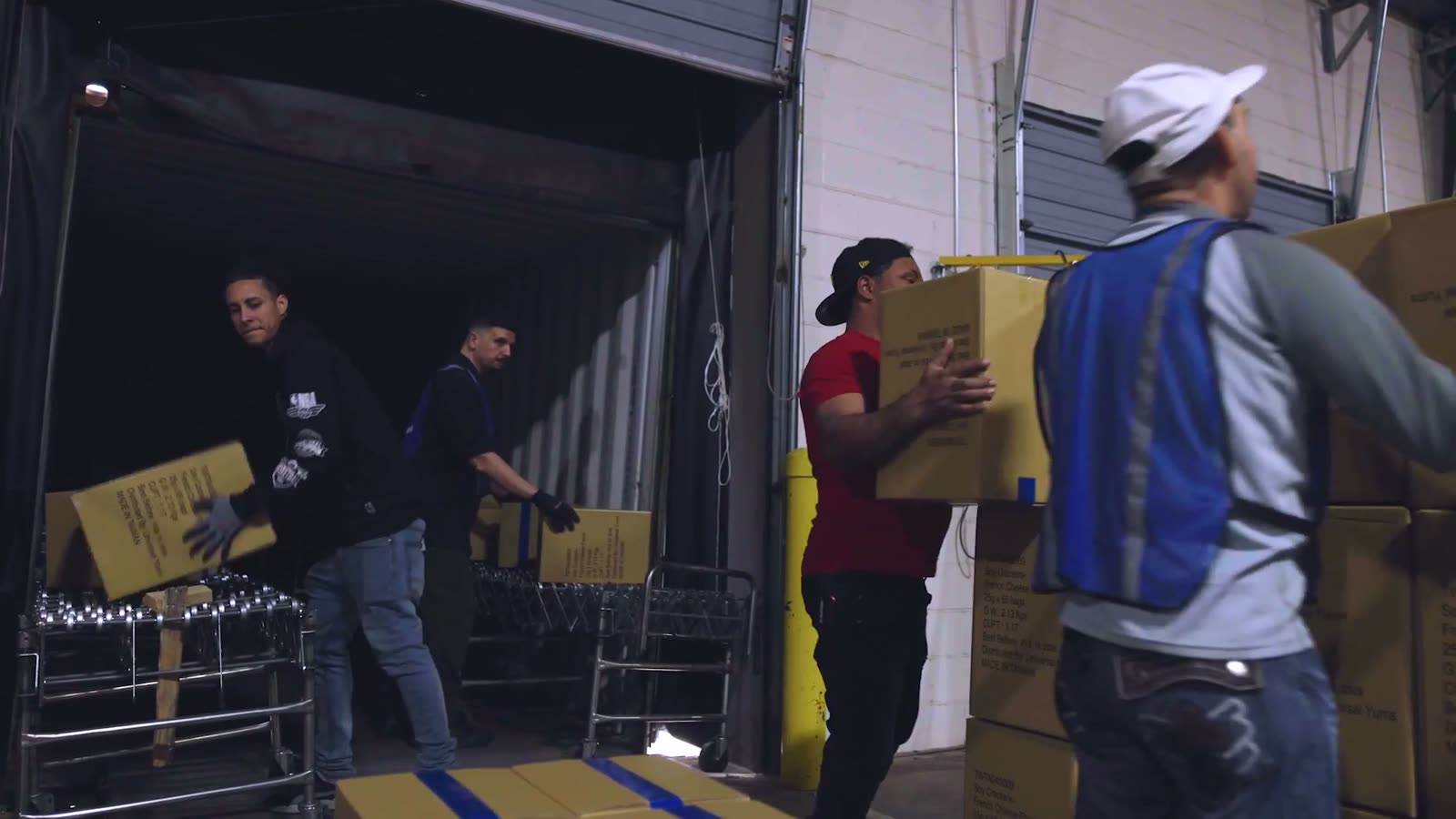
Each month, 100,000 renewal orders come into Fulfil and the warehouse ships up to 20,000 boxes a day.
Renewal orders sync into Fulfil on the first of the month. By the fifth, the warehouse is shipping boxes.
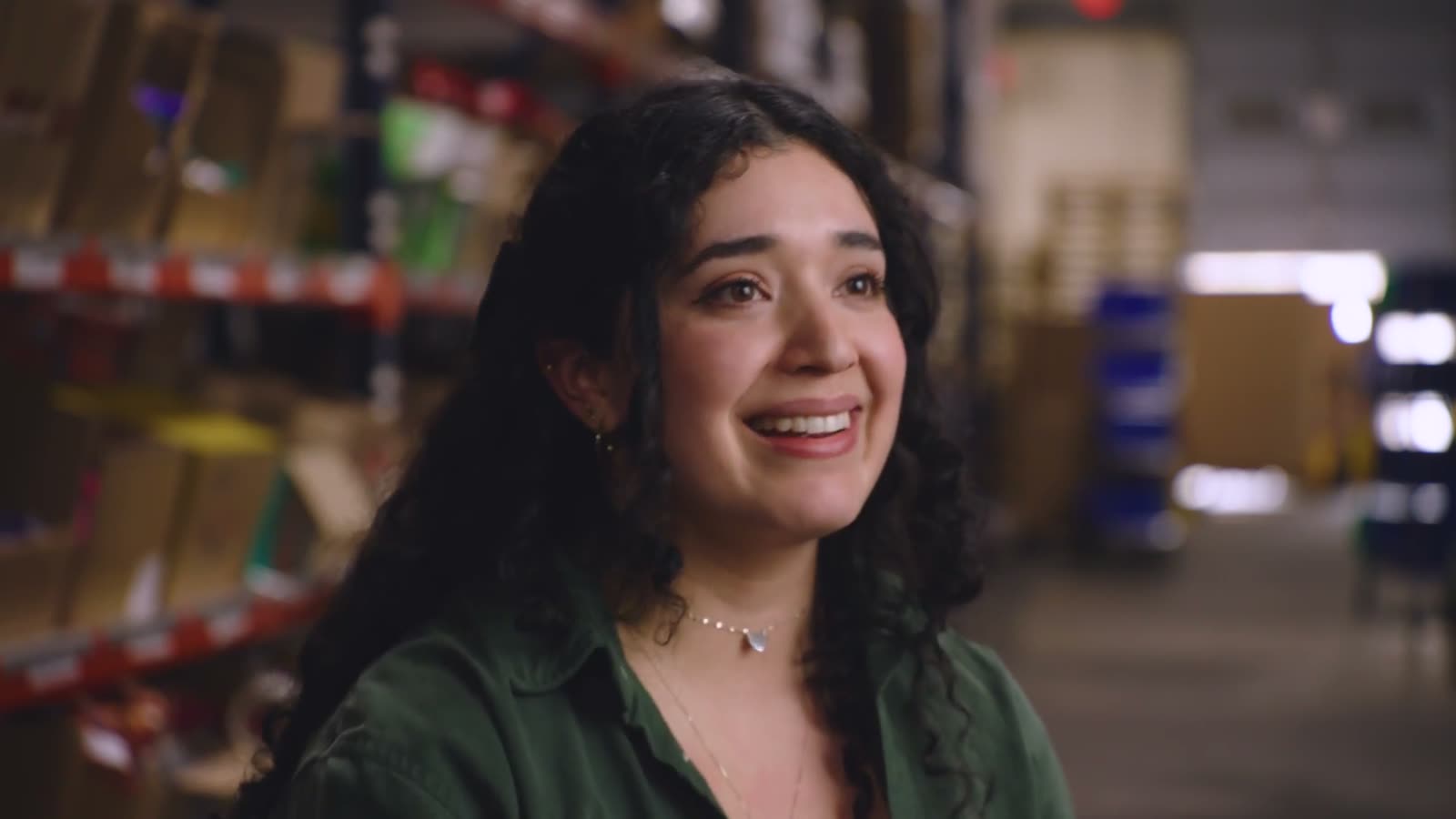 Sara LopezOperations, Universal Yums
“Every first of the month our 100,000 plus renewal orders sync in. By the fifth of the month usually we start outputting up to 10,000 boxes in a day. During peak season we can output up to 20,000 boxes in a day.”
Orders that meet the same criteria are batched together. Universal Yums has more than 200 batch templates.
Sara LopezOperations, Universal Yums“In the past, before Fulfil, our process of printing labels was extensive. It required at least two to three people. With Fulfil we were able to cut that down to one person.”
Each batch number traces back to a pallet ID, so the team can deal with a problem before a box ships.
Snacks expire. Universal Yums tracks the expiration date of all its inventory in Fulfil, and automation rules ship what expires first.
The production window for the monthly box went from 30 days to 15, says Joseph Jarroush, COO.
05
Universal Yums keeps its product and supplier data in Fulfil and builds its own tools on it.
With a different tool for each job, Universal Yums had its data spread across many systems. Product and supplier data now belongs in Fulfil.
Eli ZaunerCEO and Co-founder, Universal Yums“You're doing it wrong because you should be going to Fulfil for that information.”
Joe Thompson moves from one record to the next with a few clicks.
Expiration date rules differ by customer. One retailer needs 180 days left when Universal Yums ships, another needs 90, and a subscriber needs 30. Universal Yums built its own planning and purchasing software on Fulfil's API and data warehouse.
 Eli ZaunerCEO and Co-founder, Universal Yums
“What we were able to do is we were able to build our own software where we could use Fulfil as the system of record for all of the data so that we didn't need to be storing data in some outside database”
Eli Zauner uses AI to write that software and to extend Fulfil.
06
Universal Yums works with Fulfil's support team, an account manager and its leaders.
Universal Yums meets its account manager every other week. A support ticket gets an answer in one to three hours, depending on the urgency the team sets, by Sara Lopez's account.
Eli ZaunerCEO and Co-founder, Universal Yums“The most unique thing about Fulfil being a smaller company, you actually have some level of access to the leadership team as an individual client.”
Eli ZaunerCEO and Co-founder, Universal Yums“I have learned the lesson that if you really want to make the most out of Fulfil and if you run a more operationally intensive business, you should not disconnect from the software. It is a tool that will amplify you in whatever direction you are going.”
07
The film, word for word.
Read the transcript of the Universal Yums film
Eli Zauner: My name is Eli Zauner and I'm the CEO and co-founder at Universal Yums. We ship the boxes every month. We were not late, especially in 2020 and 2021. I rode a forklift around in 2020 to get boxes out the door and our competitors did not. And when someone knows that Universal Yums is going to get them their box on time every month, they can trust the quality of the product inside. The business leading up to that year had grown somewhere between 200 to 300% year over year. So it was started in 2014. So seven years of really good growth leading up to that. The biggest pain points that we were experiencing, scaling up of the operation to kind of meet that increased volume was a problem. And we were also going through a transformation in our business model at the time where we were starting to sell products individually instead of just as a subscription box. For the first time, we actually had to care about what the inventory was in our warehouse. Previously, we would buy all the snacks and then sell all the snacks in a particular month's subscription box and kind of whatever was left over, we would just donate.
Sara Lopez: [unclear] Fulfil, we were more on like a pen and paper model, some spreadsheets. The business started booming and it became very unsustainable tracking inventory on pen and paper, cycle counts on a spreadsheet.
Eli Zauner: We were generally trying to follow a bespoke best in class approach where we would go and we'd figure out what problem am I trying to solve and what's the best in class solution to go solve that problem. When we were looking for ERP software, you know, the starting point was what's the best in class solution for a direct to consumer business like ours. Fulfil really stuck out from the pack in terms of being designed specifically for a business like ours.
Joe Thompson: Prior to being here, I had a good amount of experience in ERP systems, worked in Microsoft [unclear] solution, which is Dynamics, worked with NetSuite. Something I appreciated in coming onto the team, starting to use Fulfil, is that it was very fluid. I was able to pick it up. I feel like it is extremely user-friendly and one of the positive sides of it is that [unclear] learning curve is smaller than any other ERP systems I've used.
Eli Zauner: It wasn't just about implementing Fulfil. It was also about implementing the business practices that needed to accompany Fulfil. Having gone from no ERP to ERP, it's like, what were you not doing before that you need to now start doing to make use of this tool that you now have? So I think a lot of the implementation was more about us having the right conversations internally about how we wanted to run the business and then figuring out how Fulfil could help support that.
Joe Thompson: The thing I appreciated was self-guided training, guides, videos, so that I could get familiarity with the system. It's nice to be able to have something that actually walks you through and shows you what everything looks like before you click and break something. And having access to the sandbox environment and be able to actually trial through some transactions was very useful as well. Knowing how an ERP works, the learning curve was probably a little less steep for me, but I have had users on the team for a few years now that being introduced to the training materials and making sure that they actually walked through it are now more super users.
Eli Zauner: I have learned the lesson that if you really want to make the most out of Fulfil and if you run a more operationally intensive business, you should not disconnect from the software. It is a tool that will amplify you in whatever direction you are going. If you take the time to refine your business practices and how you're using the software, it will empower you to have a competitive advantage over others.
Sara Lopez: Every first of the month our 100,000 plus renewal orders sync in. By the fifth of the month usually we start outputting up to 10,000 boxes in a day. During peak season we can output up to 20,000 boxes in a day. Fulfil has allowed us to trace back a batch number to a pallet ID and that allows us to resolve any issues proactively instead of like accidentally shipping something and then it's gone in the network. We like to use a batch system where we batch orders that meet a certain criteria. So we have like 200 plus batch templates created right now. In the past, before Fulfil, our process of printing labels was extensive. It required at least two to three people. With Fulfil we were able to cut that down to one person.
Eli Zauner: Fulfil allows us to track all of our inventory with expiration dates and has implemented more and more automation rules that allow us to automate the use of first expiring first out logic. Being a company where we've generally prioritized finding the best in class software for each individual use case, data is very fragmented across many different systems and that makes collaboration harder. Fulfil really steps in as that forcing function to say like these types of data, data that is specific to a product, data that is specific to a supplier, that needs to be in Fulfil. And if you are asking me for this information, anybody in the company, if you are asking someone else, what is this information? You're doing it wrong because you should be going to Fulfil for that information. And I think having a clear answer to that question cuts down on a lot of organizational noise where people don't know where to go for things.
Joe Thompson: The system itself is extremely user-friendly and more user-friendly than other ERPs that I've used. Because it was a ground-up solution, there's less bloat. Something links to something else. I can drill down into that as much as I want. I can get all the way back to the item card with a few clicks. I can get to the vendor with a few clicks.
Sara Lopez: The more I started training people on my team and realizing, oh, we can create an automation rule for this to kind of bypass the manual interaction with it.
Eli Zauner: When we have hit that rare roadblock where what we need is truly very custom to our business and it's not something that Fulfil could build that would make sense for really any other client but us, we've been able to utilize Fulfil's API and data warehouse to extend Fulfil's functionality. Recently, we built a custom MRP to help us with planning and purchasing of the components that we need to make finished goods and also sales of those components individually. Where it got really complicated was expiration dates, specifically expiration date requirements being different for different types of customers. One retailer requires 180 days, another retailer requires 90 days of shelf life remaining when we ship it to them. My consumer, when I ship to them directly, I only need 30 days on it. What we were able to do is we were able to build our own software where we could use Fulfil as the system of record for all of the data so that we didn't need to be storing data in some outside database and we could continue keeping everything centralized in Fulfil. I've personally been getting a ton of value out of using AI to build custom software or like extend Fulfil's functionality. That can be a really big competitive differentiator for your business. AI is a real equalizer in terms of like people who didn't go to college for computer science can like actually be very productive with it.
Eli Zauner: I feel like we collaborate with Fulfil at like three different levels. The first line of defense is the support team. Fulfil's team is smaller. To some extent you start to learn the names of the people that like work on the support team and there's some level of like human relationship that exists. The second line for us is our account manager. We meet every other week. There's like a through line to our business, right? That's someone who understands what we do at a deeper level than each individual support agent is able to do. And then the third level is a leadership team. The most unique thing about Fulfil being a smaller company, you actually have some level of access to the leadership team as an individual client. The leadership team is very client focused. Definitely makes you feel heard as a client, like someone is designing features for you and like understands your business.
Joe Thompson: It's a support ticketing system. There's a familiarity with our business. There's a familiarity with the data that we are using. They're very fluent with understanding our specific business cases and able to fit within that interface. Support and success and completing the actual question is what's forefront.
Sara Lopez: Once we started opening support tickets, there's like a very simple model and I've trained my team to do that. What's the issue on like the urgency, description and error, upload a picture. So depending on the urgency that we select, we will hear a response between one to three hours.
Eli Zauner: I appreciate having the benefit of having lived through the COVID era because I actually have some sense of like what is likely to happen. I think it's an interesting time if you are willing to take some risks and not just be pessimistic that the worst case outcome is going to happen. You can make different decisions than what the field is making and potentially get some pretty great returns off that if you make the right bets. ST was on site during our implementation. Kabir has been on site three or four times at this point. I know that typically that hole would be filled with some third-party specialist that you are paying a lot of money and so I think having access to that. I think when you're using any software tool that is not designed for marketers to use but is designed for like operations people or finance people to use, the expectation for user interface is like 1990s. It's really great having a user interface that is much more modern. It really speeds up the learning curve, especially when you're hiring people in their [unclear] 20s and 30s who are going to come in and work with the software. They're able to learn it much faster and move through the software much more quickly. And having a software platform that was built in like the last decade is truly very differentiated from a lot of existing back-end software that's 20 or 30 year old user interfaces.
Universal Yums runs on Fulfil
Next story

 Read the story