Subscription Brands
The operations backbone for
subscription brands.
High-volume box production, dynamic monthly SKU assignment, and flexible fulfillment. Used by Universal Yums, Grüns, Cora, Wild, HOSS, and Tomlinson's.
Customer stories
Used by leading subscription brands.
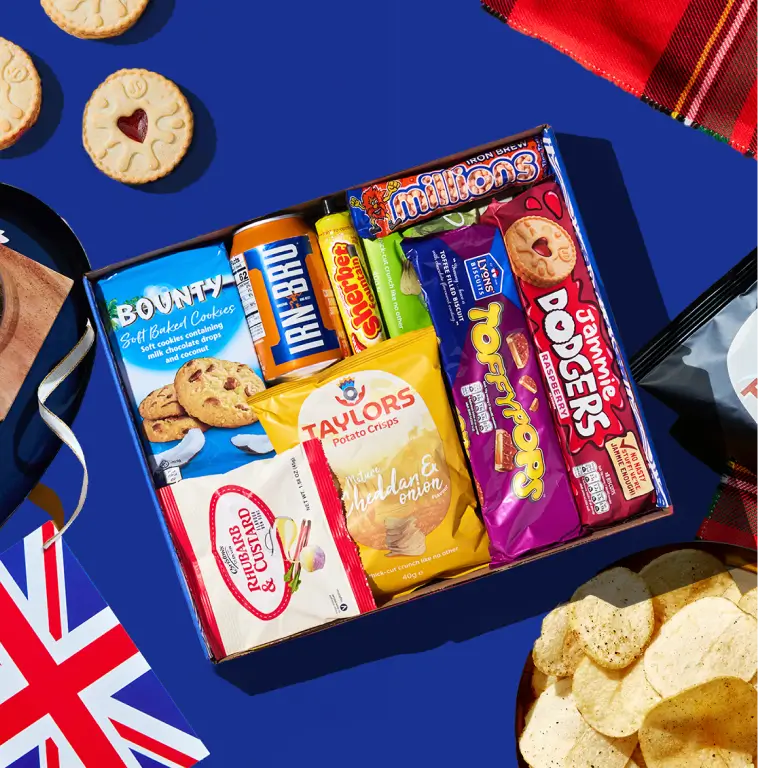

“By the fifth of the month, we start outputting up to 10,000 boxes in a day. During peak season, we can output up to 20,000 boxes in a day.”


“The Fulfil team have been great partners, critical to our growth, and will continue to be critical to our growth into the future.”


“The Fulfil onboarding was half the time of our legacy ERP implementation. Being in 8 different markets, 5 different warehouses, we rely a lot on having a good ERP.”


“As a CPG brand I think it's really important to know what you have, where it is, and when you're looking at it. That has improved drastically since moving to Fulfil.”
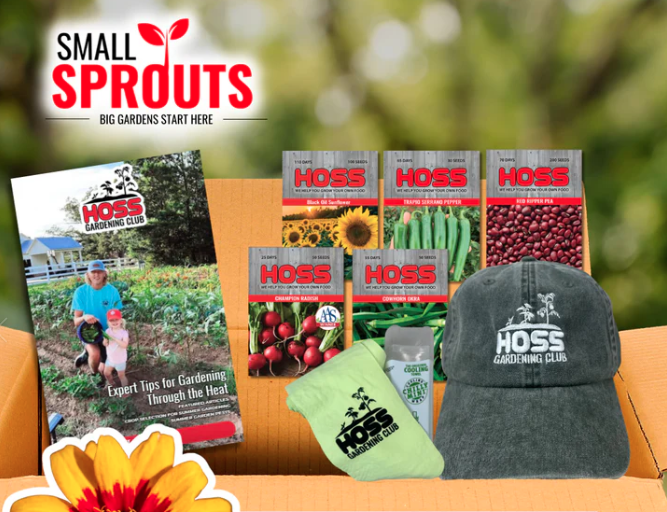

“One feature that Fulfil really stood out with, that surprisingly not a lot of other ERPs allow, is the ability to push different inventory availability calculation methods at the product variant level. This was a must since we sell live plants. It's allowed us to pre-sell.”


“We appreciate that Fulfil is very forward-thinking and trust Fulfil to be the bleeding edge of the market and help support AI initiatives.”
The challenge
Operational challenges unique to subscription brands.
Subscription businesses run on tight monthly cycles with high box volumes and multi-platform order flows. Generic ERPs aren't built for it.
Monthly SKU rotation at scale
Box contents change every month. Orders placed in a given month need that month's SKU, not the previous one and not the next. Manual reassignment breaks down the moment you're processing thousands of orders a day.
High-volume production windows
Subscription brands don't ship steadily. They spike. Outputting 10,000–20,000 boxes in a single day requires a production and fulfillment system that won't buckle under load or require manual coordination at each step.
Operations spread across platforms
Your subscription platform manages billing and renewals. Your ERP needs to handle inventory, fulfillment, and financials, and stay in sync without manual intervention. Gaps between systems cause oversells, missed shipments, and reconciliation pain.
Box production at scale
Cut your production window in half.
Universal Yums ships 100,000+ subscription boxes every month. After moving to Fulfil, they cut their subscription box production window from 30 days down to 15. During peak season they output up to 20,000 boxes in a single day.
Fulfil manages the full production cycle: BOMs for each monthly box, kitting work orders that consume components and produce finished boxes, and warehouse operations that handle the fulfillment surge without manual coordination.
- ✓Monthly box BOMs with component-level tracking
- ✓Kitting work orders from demand, not manual planning
- ✓High-volume pick, pack, and ship without bottlenecks
- ✓Real-time production progress during surge days
- By the 5th of the month: Up to 10,000 boxes/day
- Peak season: Up to 20,000 boxes/day
Monthly SKU management
Automate monthly SKU assignment without manual work.
When box contents change each month, every order needs the right month's SKU. Fulfil channel scripts handle the assignment automatically on order import. No manual reassignment, no risk of the wrong box going out.
A mapping dictionary ties your generic storefront SKUs to dynamic monthly SKUs with month/year codes. The script uses the shipping date when available, falling back to the order date. All date logic runs in your channel's local timezone, not UTC, so orders near month boundaries are assigned correctly.
- ✓SKU substitution runs automatically on order import
- ✓Handles size variants within the same monthly box
- ✓Timezone-aware: month boundaries use your channel's local time
- ✓Works for subscription renewals, new orders, and pre-orders
Subscription platform integrations
Built to work with your subscription stack.
Fulfil is your operations backbone, handling inventory, fulfillment, and financials. Your subscription platform handles billing, renewals, and subscriber lifecycle. Fulfil has a native Konnektive integration, and subscription orders placed via apps like ReCharge on Shopify import into Fulfil via Fulfil's native Shopify integration.
With the native Konnektive integration: orders import with customer details, line items, and payment status. Inventory levels push from Fulfil to Konnektive when stock changes. Tracking numbers write back to Konnektive when shipments are marked done.
- ✓Native Konnektive integration: order import, inventory sync, tracking export
- ✓Subscription orders from subscription apps like ReCharge import via Fulfil's Shopify integration
- ✓Subscription renewals pass through channel scripts for correct SKU assignment
- ✓Payments imported and booked automatically on order import
Flexible fulfillment
Ship subscription boxes and add-ons from the same order.
Not every line item in a subscription order ships the same way. Fulfil supports mixed fulfillment strategies within a single order: ship the subscription box from your 3PL, drop ship an add-on from a supplier, and fulfill a digital product separately, without splitting the order manually.
HOSS uses variant-level inventory availability rules to handle live plants, pre-selling future stock with availability logic that would break in a standard ERP. "It's allowed us to pre-sell. It's allowed us to be way, way more adaptable," says Cameron Varnadore, Operations Manager.
- ✓Mixed fulfillment methods on a single order (stock, 3PL, drop ship, make-to-order)
- ✓Variant-level inventory availability calculation rules
- ✓Pre-sell future subscription stock without overselling current inventory
- ✓Automation rules that can treat subscription and one-time items differently
Subscription financials
Clean revenue accounting for subscription and one-time.
Subscription revenue and one-time product revenue need to stay separate: for investor reporting, for accurate MRR visibility, and for COGS that actually reflects your box economics. Fulfil's built-in general ledger posts to dedicated revenue accounts by product type automatically.
Landed costs, including inbound freight, component costs, and co-packing or kitting fees, are absorbed into COGS at the box level. No separate accounting sync, no month-end reconciliation between your ops system and your books.
- ✓Dedicated GL accounts for subscription vs. one-time revenue
- ✓Landed cost absorption into COGS at the box level
- ✓Automatic journal entries as inventory moves, no manual posting
- ✓Channel-level P&L: margin by subscription tier, box size, or sales channel
FAQ
Questions? Answers.
What is the best ERP for subscription brands?
How does Fulfil handle monthly SKU changes for subscription boxes?
Does Fulfil integrate with Konnektive?
Can Fulfil handle mixed subscription and one-time fulfillment on a single order?
How does Fulfil handle subscription revenue accounting separately from one-time sales?
What subscription brands use Fulfil?
How does Fulfil compare to NetSuite for subscription brands?
Can Fulfil manage inventory for pre-selling next month's subscription box?
Agentic ERP
Run it with your own AI agents.
Fulfil is an agentic ERP. Point Claude Code or Cursor at the CLI to automate the multi-step work behind each billing cycle, from monthly SKU swaps to allocation checks, without hand-running scripts.
Ready to tighten up your
subscription operations?
Used by Universal Yums, Grüns, Cora, Wild, HOSS, and Tomlinson's.