 Smoking accessories · 2025
Hemper's wholesale team went from 10 to 15 orders a day to 40 or 50 after moving to Fulfil.
Hemper began as a subscription box and an online head shop, and now also sells wholesale. Its fulfillment center in New York ran on software with no good batching, routing or order splits, and the wholesale floor worked from paper. Hemper moved to Fulfil before a Black Friday, and its pickers now work from scan guns.

The story in short
- Sells
- Glass pieces and smoking accessories, a monthly subscription box, and pre-roll cones from its own manufacturing
- Channels
- An online head shop, the subscription box, wholesale, and co-manufacturing for other brands
- Before Fulfil
- A fulfillment center in New York whose software had no good batching, routing or order splits, and paper pick lists
- Who speaks
- Angel Ferrer, Chief Technology Officer and Chief Marketing Officer. Gable Johnston, Supply Chain Coordinator. Eli Perez, Wholesale Manager
01
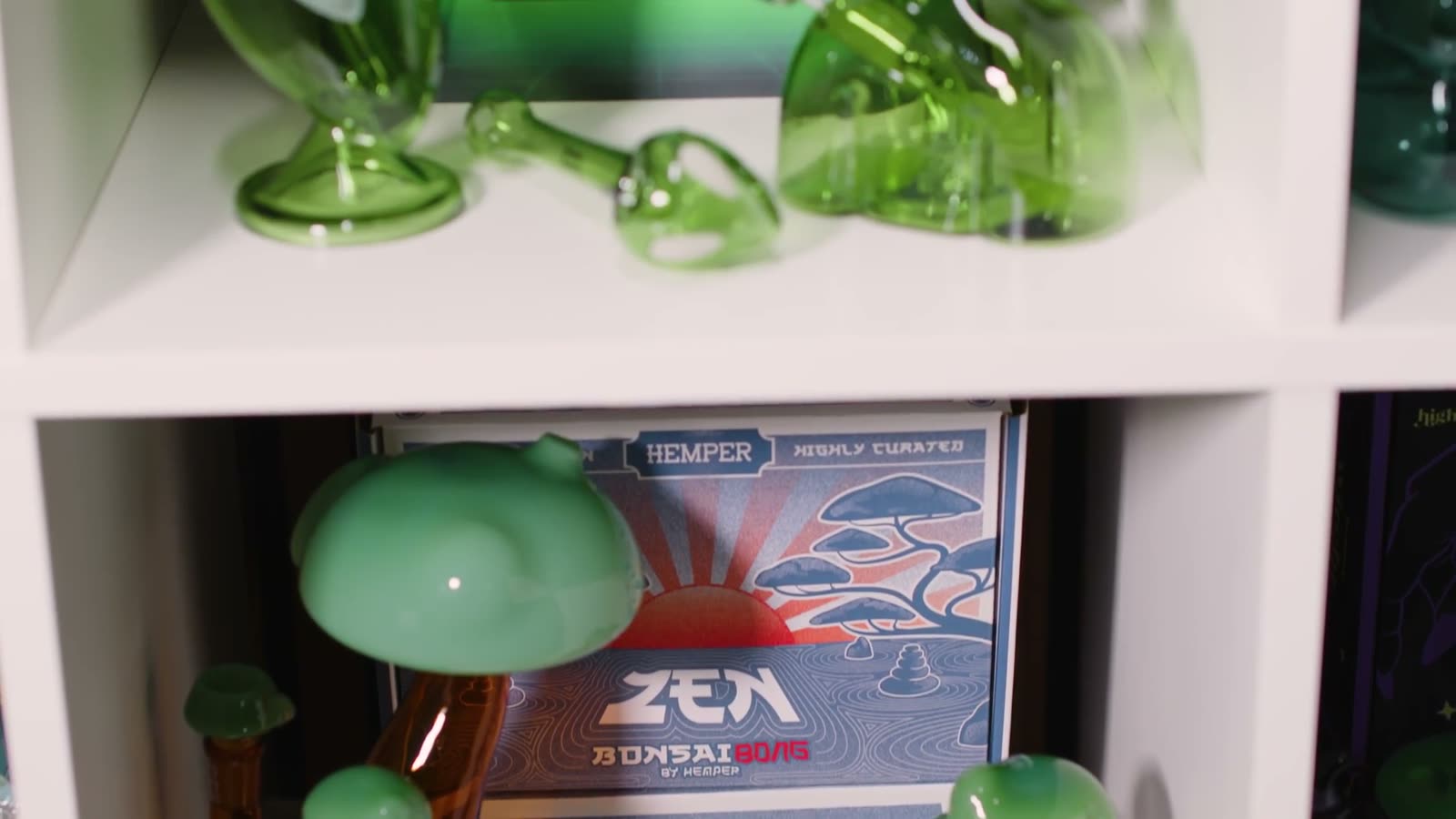
Hemper began as a subscription box that sent a new glass piece every month.
Hemper started as a subscription box and an online head shop. It is the best known brand in a house of brands that has since gone into manufacturing and makes roughly a hundred million pre-roll cones a month.
 Angel FerrerCTO and CMO, Hemper
“Our goal with the subscription box was to give our customers a new glass piece every month.”
Hemper also sells wholesale, with its own team picking and packing the orders, and makes products for other brands.

02
Hemper's fulfillment center in New York gave the team no numbers to run the business on.
When Angel Ferrer joined, Hemper's operations were in New York, at a fulfillment center run by a family member of one of the partners. Nobody could say for sure whether there was enough inventory, whether orders went out on time, or how many boxes were being made.
Angel FerrerCTO and CMO, Hemper“We had no KPIs or metrics to try to figure out how to scale the business and understand how we were receiving anything.”
The software at the New York fulfillment center could not batch, route or split orders well. It had nothing for the way Hemper's subscription boxes are packed and made.
03
Hemper went live on Fulfil as Black Friday came close, and started printing labels in batches.
Angel Ferrer wanted software that could bend to the business. Hemper chose Fulfil and went live in the run-up to Black Friday and Cyber Monday.
Angel FerrerCTO and CMO, Hemper“We started printing out labels. The batching process was great. The support that we had during our onboarding time was amazing.”
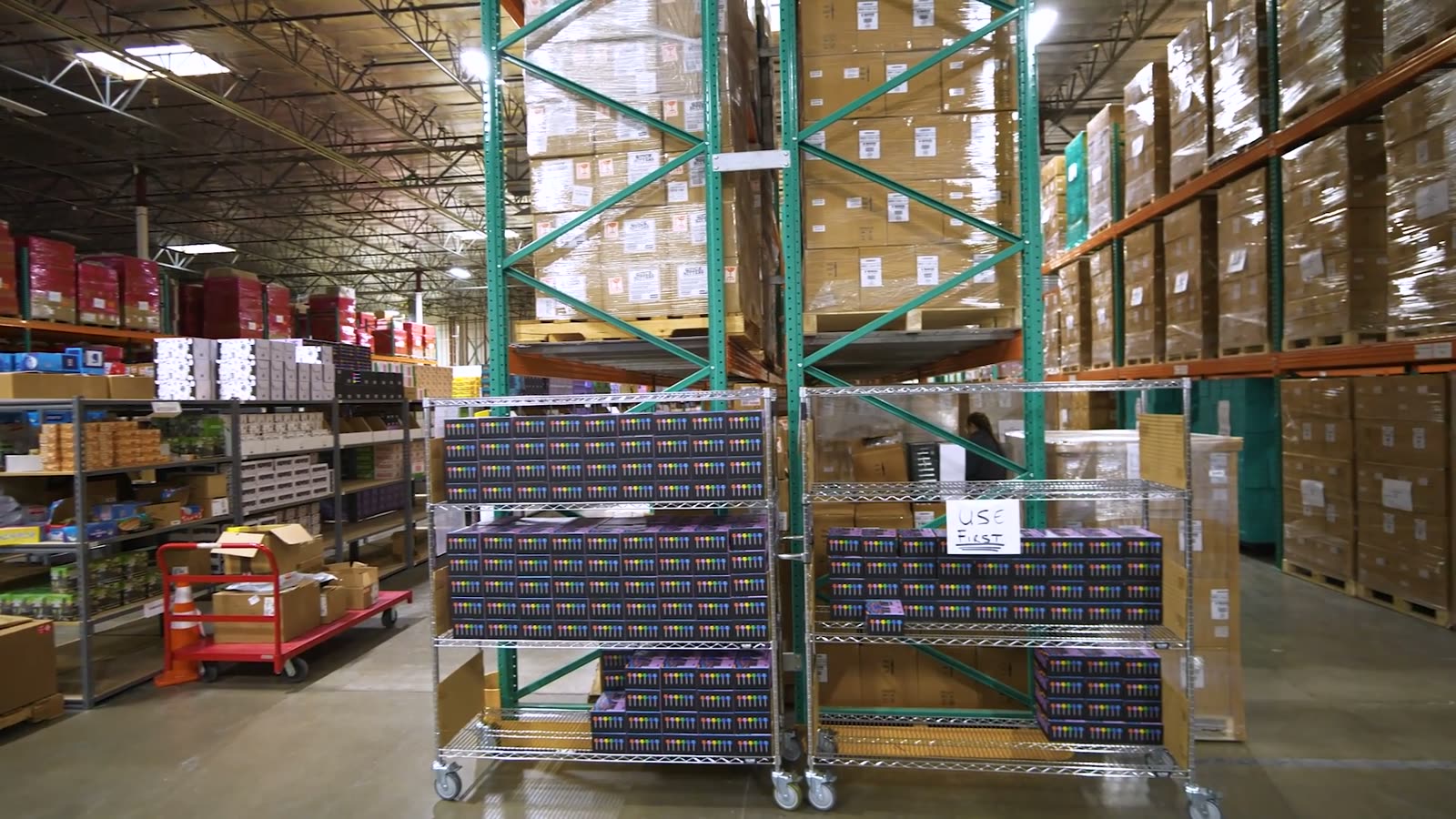
In wholesale, a team of about six ran Fulfil at computers, while the associates on the warehouse floor still worked from paper.
 Gable JohnstonSupply Chain Coordinator, Hemper
“When I moved to the wholesale fulfillment coordinator, the position was a team of about six people that were in charge of operating the entirety of Fulfil while all of the associates were handling a paper-based system”
04
Fulfil sends Hemper's pickers down the aisles in order, and the wholesale team ships 40 to 50 orders a day.
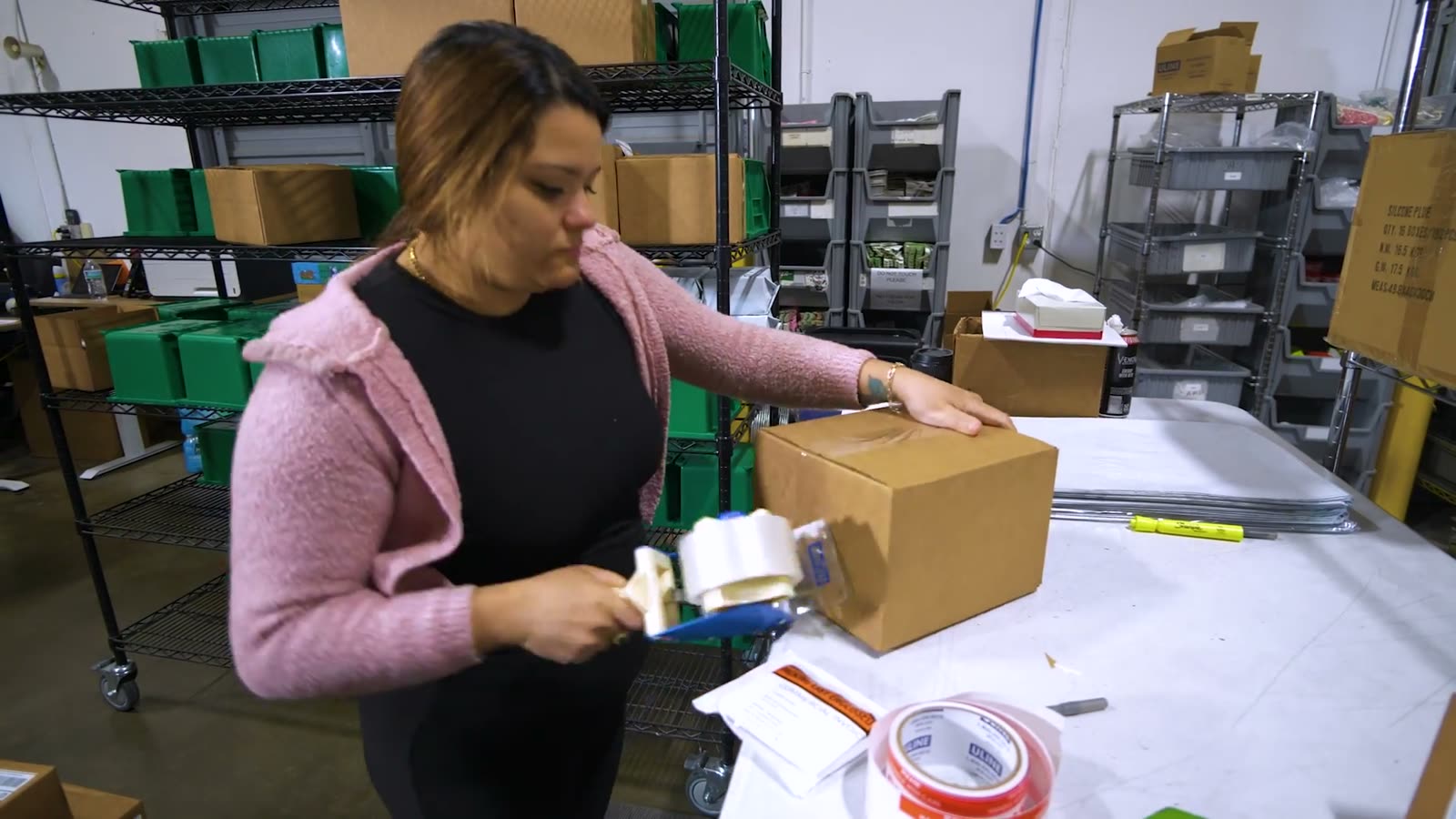
Hemper's pickers scan each location, and Fulfil puts the pick list in order of the aisles, so a picker does not cross the warehouse and back.
 Eli PerezWholesale Manager, Hemper
“I've dealt with other picking systems. You would have to put the cart in the middle and you would just be going around in circles and circles, which it just takes more time.”
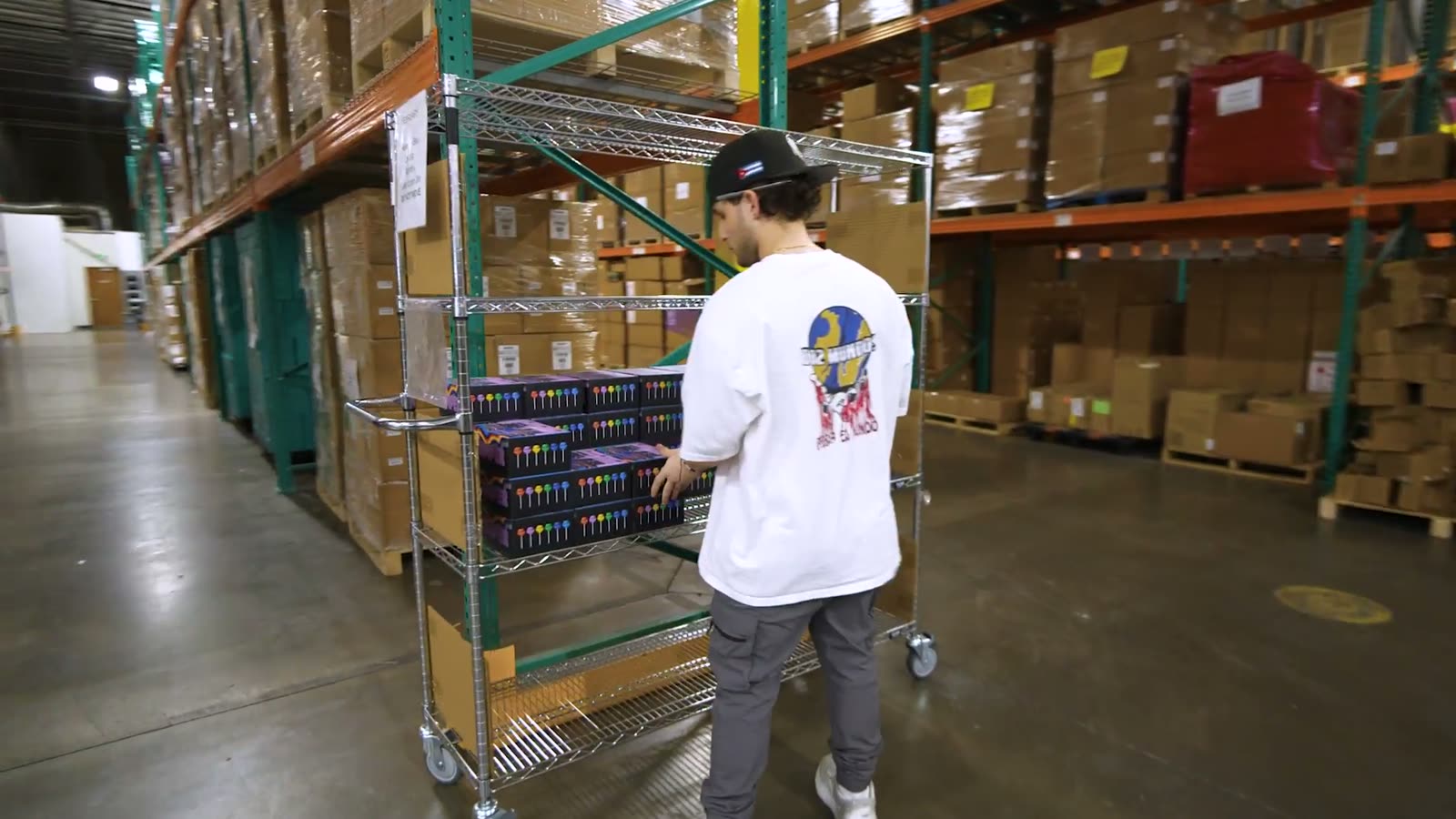
Over about six months, Hemper's wholesale department went down to two people at computers and one or two pickers with scan guns. Gable Johnston's team went from 10 to 15 orders a day to 40 or 50. Orders that once took one to two weeks to go out took three days at most, at about 1,200 items.
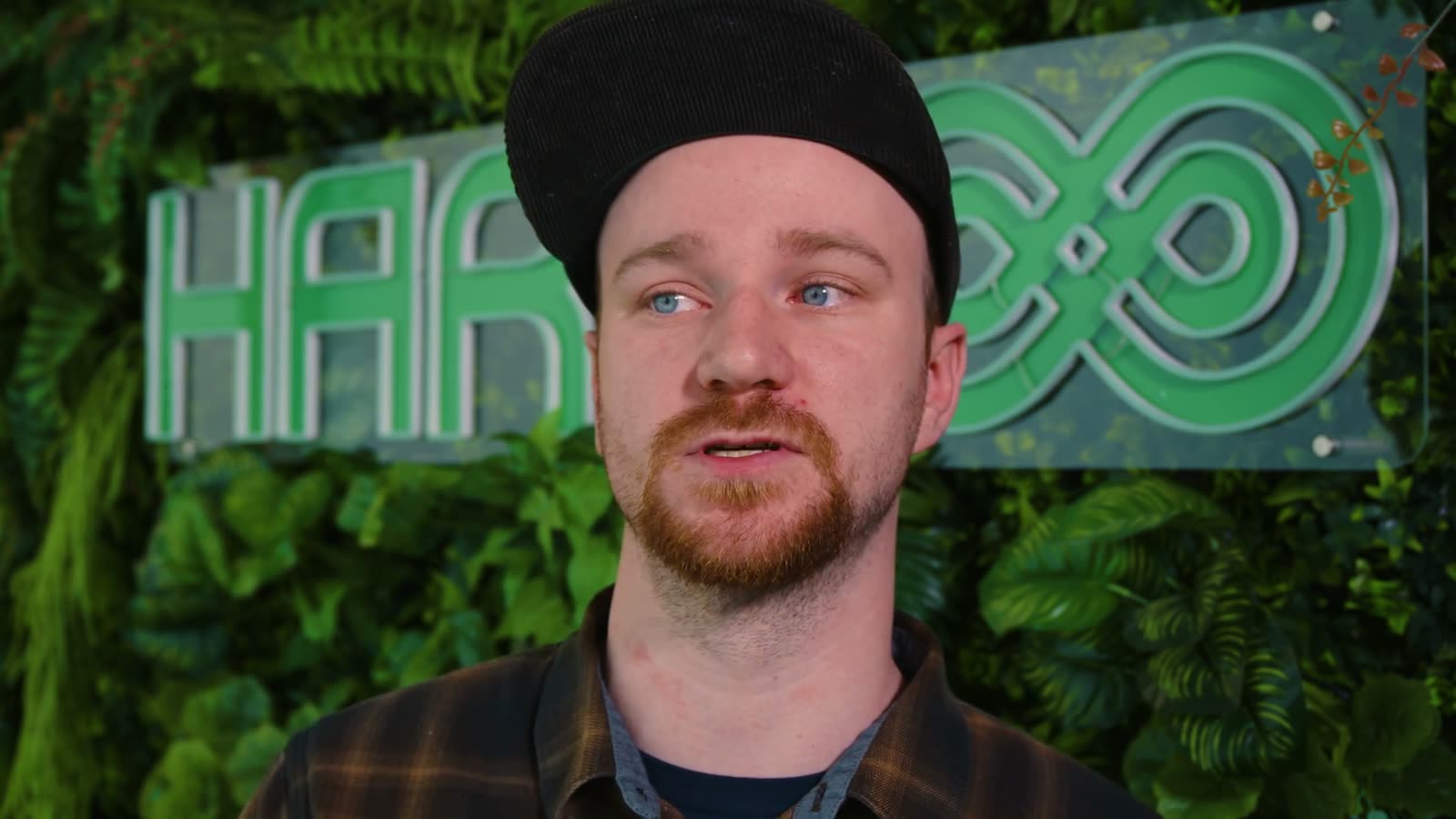 Gable JohnstonSupply Chain Coordinator, Hemper
“My team at the time went from finishing 10 to 15 orders in a day to about 40 or 50.”
Eli PerezWholesale Manager, Hemper“We have a promise to their customers to get every order out between 24 hours or 48 hours, and we wouldn't be able to do that without Fulfil.”
05
At Hemper, a sales order becomes a draft purchase order in seconds, where it used to take 12 hours of work.
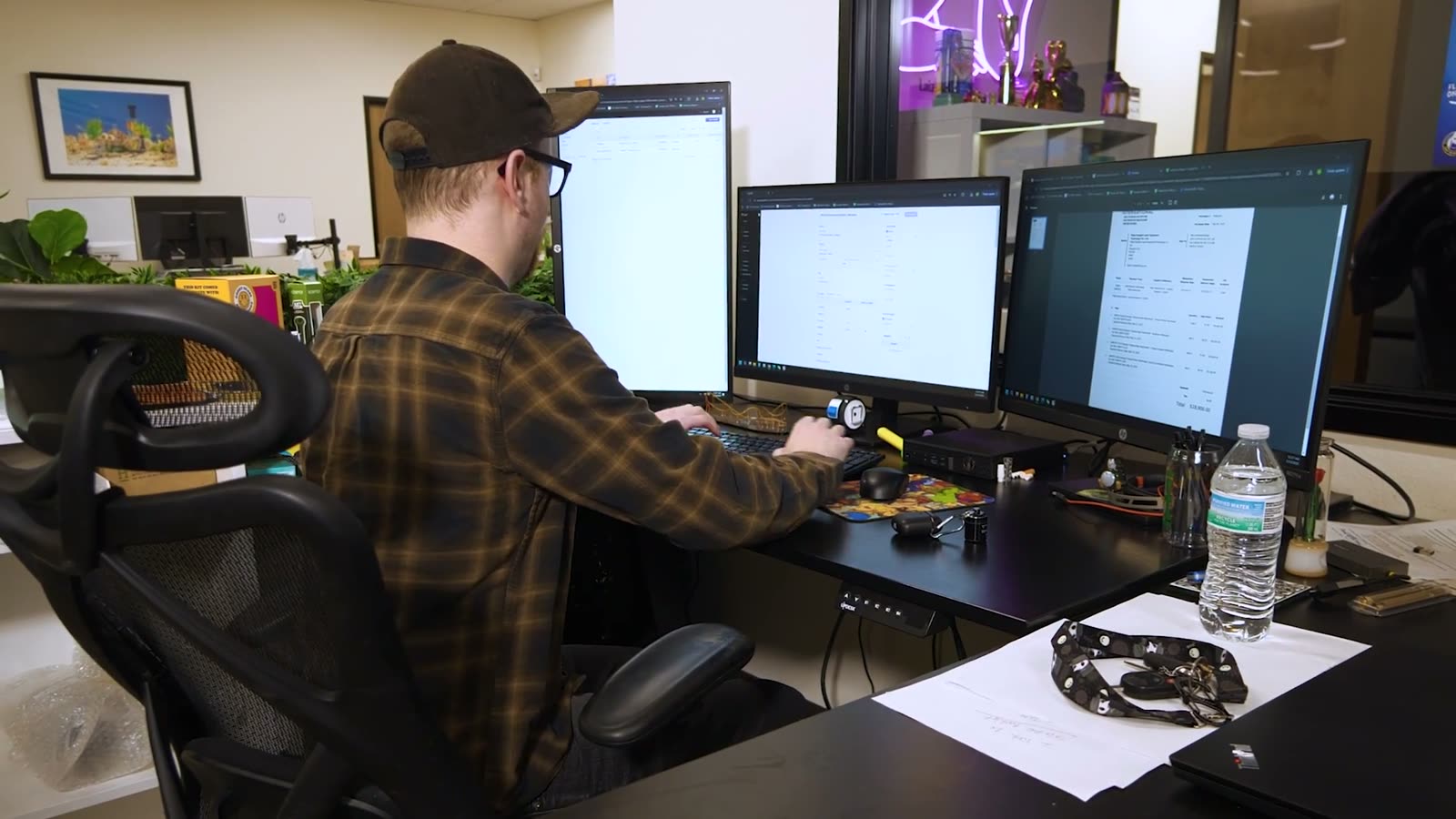
When Hemper takes a sales order, Fulfil turns it into a purchase request and a draft purchase order. Drop shipments run the same way: a purchase request becomes a draft purchase order, and the team fulfills the drop shipment from it.
Angel FerrerCTO and CMO, Hemper“They were spending about 12 hours per transaction to run through that whole process. Now that process gets done with less than 15 minutes worth of work.”
Hemper's returns flow was built when it first went live on Fulfil. The team had been days behind on returns. They now take about 30 minutes a day.
06
Hemper builds subscription boxes to real orders and shares stock reports from Fulfil with its customers.
Hemper's reorder reports come from Fulfil's data warehouse, and it plans with Fulfil's forecasting. Subscription boxes are now made to the orders that come in.
Angel FerrerCTO and CMO, Hemper“So instead of us sitting there and building 1,000 subscription boxes or 5,000 or 20,000 in one day, we're developing and producing them based on the actual orders that have come through.”
Stock figures go from Fulfil into Google Sheets that Hemper shares with customers, so each can see how much of its own product Hemper holds.
Gable JohnstonSupply Chain Coordinator, Hemper“This summer we use Fulfil's API integrations into a Google Sheet document to see how we're doing on inventory, how we're doing on sales, how we're doing with like stock intervals.”
With Fulfil's Slack integration, Hemper's finance team hears about a processed order in Slack as it happens.
 Angel FerrerCTO and CMO, Hemper
“Fulfil has seen plenty of transactions, plenty of different businesses, different sizes, different models. They've been able to service us in every way possible.”
07
The film, word for word.
Read the transcript of the Hemper film
Angel Ferrer: [unclear] Brands is a house of brands. We have our most known brand, which is Hemper, which started off as a subscription box and an online head shop. Our goal with the subscription box was to give our customers a new glass piece every month. From there we got into the manufacturing game under [unclear] Supply, where we're producing roughly a hundred million pre-roll cones a month. When I came on board our operations were based out of New York. We had a whole fulfillment center there being run by one of the partner's family members. When we were trying to get things done, we had no real transparency what was going on. We were trying to figure out, did we have enough inventory? You know, was inventory being shipped out in time? How many boxes were being produced? We had no KPIs or metrics to try to figure out how to scale the business and understand how we were receiving anything. The software they were using didn't have good batching, didn't have good routing, no order splits. They didn't really care to try to understand how our subscription boxes needed to be packed. They didn't care how those need to be produced, shipping label, print management, none of it. I knew I needed to find a software that was very flexible, very agile. I came across Fulfil, did an onboarding call. We're getting closer to Black Friday, Cyber Monday. We started printing out labels. The batching process was great. The support that we had during our onboarding time was amazing.
Gable Johnston: When I moved to the wholesale fulfillment coordinator, the position was a team of about six people that were in charge of operating the entirety of Fulfil while all of the associates were handling a paper-based system, marking things with [unclear] highlighter, marking things with pens.
Eli Perez: I've dealt with other picking systems. You would have to put the cart in the middle and you would just be going around in circles and circles, which it just takes more time. The way Fulfil has it set up is that when it comes in, we scan the location, it throws you [unclear] alphabetical order. So when we're picking, it won't throw you across the whole warehouse. We did not have those batching systems anywhere else. It makes all the orders come in really, really organized.
Gable Johnston: Over the course of about six months, we brought the wholesale department to two members fully on computers, roughly one or two pickers that were using the digital guns. My team at the time went from finishing 10 to 15 orders in a day to about 40 or 50.
Angel Ferrer: We've been able to streamline the process with Fulfil from a sales order being developed to purchase requests being done and a draft PO being generated within a matter of seconds. They were spending about 12 hours per transaction to run through that whole process. Now that process gets done with less than 15 minutes worth of work.
Eli Perez: We have a promise to their customers to get every order out between 24 hours or 48 hours, and we wouldn't be able to do that without Fulfil.
Gable Johnston: Orders once upon a time would take anywhere between like a week to two weeks. Ended up being like three days at most when it was like 1,200 items.
Angel Ferrer: When we first got onboarded and, you know, they built, you know, all the return stuff, and we've streamlined that process from days lagging behind on dealing with returns to probably within 30 minutes a day. We've been able to develop data warehousing reports using all the data warehouse modules, reports that literally tell us how much inventory to reorder. We use the forecasting modules at Fulfil and they've been able to develop to understand our industry even better. It's allowed us to have better inventory controls on our subscription boxes. So instead of us sitting there and building 1,000 subscription boxes or 5,000 or 20,000 in one day, we're developing and producing them based on the actual orders that have come through. I have it pushing into Google Sheets for a lot of our reports that we share with a lot of our customers to let them know how much stock they have of their own product here or how much stock we have of our own product. And that's been one of the things that allow us to scale a lot quicker now with our [unclear] co-manufacturing, is just that aspect.
Gable Johnston: This summer we use Fulfil's API integrations into a Google Sheet document to see how we're doing on inventory, how we're doing on sales, how we're doing with like stock intervals. We've been able to use the information from Fulfil across APIs like Slack and ClickUp to look at certain purchase orders or look at certain inventory movements.
Angel Ferrer: Now that there's a native Slack integration, it's allowed us to have more real-time information passed via Slack. Now, when an order is processed, instead of finance having to wait for a notification, they're being notified directly in Slack like, hey, this order was processed, go ahead and book revenue right now. That's one of the features we're probably gonna use a lot more going into the year. Speed to market's super important for us. The production module is gonna allow us to have full on transparency on what's being developed and produced and how we can actually further the business, right, how we can invest more time, how we can speed things up. We're using the drop shipment function within Fulfil to create a purchase request. That purchase request turns into a draft purchase order. Then we go to the drop shipment, fulfill it, saving hours and days worth of time to take on more business. Fulfil has seen plenty of transactions, plenty of different businesses, different sizes, different models. They've been able to service us in every way possible.
Next story

 Read the story